


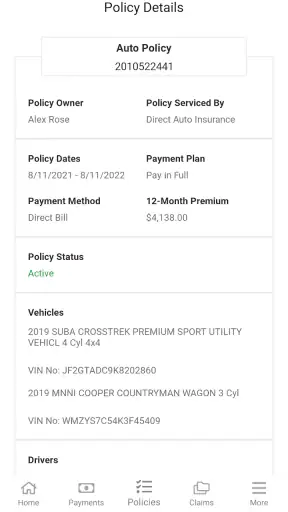
Managing car insurance is rarely something I look forward to, but Direct Auto Insurance makes the routine parts less awkward. I used it as a finance app for the everyday jobs that usually send me searching through emails or calling an insurer: checking policy information, handling payments, and keeping insurance-related tasks close at hand while I am away from a computer. My overall impression is practical rather than flashy. It is built around keeping you driving, and that focus is exactly where it works best.
Direct Auto Insurance is developed by National General Insurance and is free to install for everyone. Its current version is 1.90.778, and it supports devices running Android 9 or later. The app has reached over one million installs, with an average rating of 4.6 from around 6.9 thousand ratings. Those figures suggest that it is already a familiar tool for many policyholders, although a strong store rating should not be confused with a guarantee that every insurance situation will feel simple.
How the app feels in its current form
A focused mobile home for policy tasks
The strongest part of the experience is its narrow purpose. This is not trying to become a general budgeting app, a comparison marketplace, or a roadside lifestyle hub. It is a mobile front door for Direct Auto Insurance customers. That makes the app easier to understand than finance apps that combine banking, credit monitoring, investing, and insurance in one crowded interface.
I found that focus useful when I wanted to deal with an insurance task without opening a laptop. The value is not that the app transforms insurance into something exciting; it reduces the number of small obstacles between a question and the relevant account information. For someone who drives regularly, that convenience can matter most at inconvenient times, such as before a trip, after changing vehicles, or when trying to confirm that routine payments are not being overlooked.
The app makes the most sense for an existing Direct Auto customer. If you are shopping among several insurers, comparing coverage, or trying to understand which policy is cheapest for your circumstances, a dedicated comparison service or direct conversation with an agent may be more useful. This app is primarily about managing an established relationship, not replacing the entire research process that comes before buying insurance.
Where it fits in a normal day
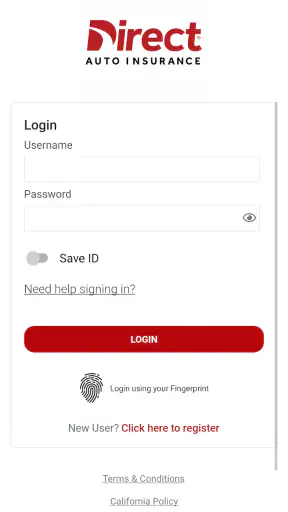
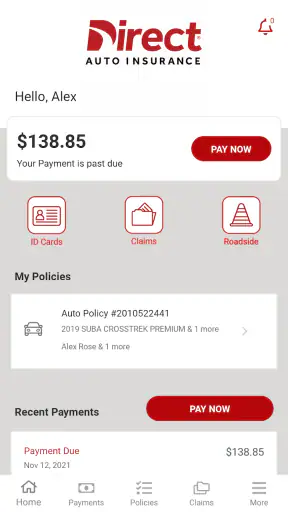
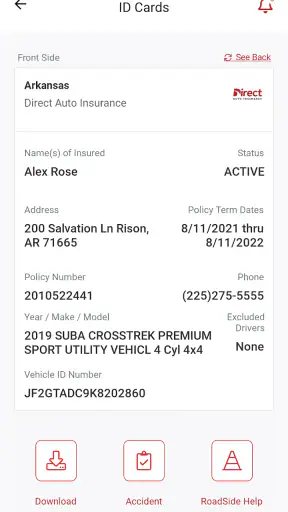
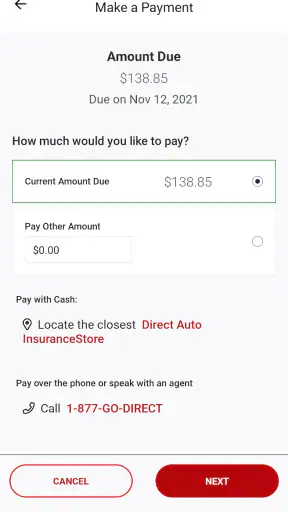
Consider a realistic situation: I am leaving early for a weekend drive and realize that I want to check my insurance details before packing. Instead of looking through paper documents or searching an old message, I can open the app and use the account area as my starting point. If a payment needs attention, handling it from the same place is more convenient than switching between a browser, an inbox, and a payment service.
That scenario also shows the app's main limitation. It can make access more convenient, but it cannot remove the complexity of the policy itself. Questions about deductibles, exclusions, claim decisions, or a change that affects coverage may still require careful reading or human assistance. I would use the app to locate and manage information, not as a substitute for understanding what my policy actually covers.
The practical benefit of keeping insurance on a phone
Insurance apps are most helpful when they reduce friction during short, unplanned moments. A phone is usually nearby when a driver needs to check an account, and a mobile interface is more useful than a desktop-only portal when the task happens in a parking lot, at a repair shop, or just before a journey. That is the real advantage here: access is attached to the device I already carry.
There is also a subtle organizational benefit. Keeping insurance activity in one dedicated place makes it easier to separate policy administration from unrelated financial activity. I would rather not hunt through a banking app for an insurance task or rely on a browser bookmark that may open an outdated session. The dedicated format gives the account a clear home.
What the version and release history tell me
The app was released on August 17, 2021, and its current version indicates that it has continued to receive product attention rather than remaining a one-time mobile wrapper. I would interpret that as evidence of ongoing maintenance, not proof that every screen has been redesigned or that every customer request has been addressed. Version numbers alone do not explain which changes matter most, so I judge the current release by whether it keeps routine tasks understandable and dependable.
For existing users, a maintained app is important because insurance administration depends on trust. A payment screen, policy display, or account workflow needs to remain usable as mobile operating systems change. The Android 9 minimum also gives the app a relatively broad reach for people using older phones, while still setting a boundary that very old devices may not meet.
How ongoing changes affect existing customers
For someone already using the service, the most meaningful effect of continued updates is usually stability rather than novelty. I would rather have a familiar payment or policy workflow remain clear than receive decorative changes that make basic actions harder to find. A current release can also reduce the chance that the app feels abandoned when the phone itself changes around it.
There is a trade-off, though. Any updated app can alter navigation, wording, or the location of a familiar action. If I depend on the app for a time-sensitive task, I would open it before an important trip or payment deadline rather than waiting until the last minute. That simple habit gives me time to sign in, check that the account loads, and use another route if something needs attention.
I would also keep a second record of important insurance information. The app is convenient, but a phone can lose battery, connectivity, or access to an account. Saving the relevant policy documents through the insurer's approved process, or keeping essential details available in another secure way, is sensible preparation. The mobile app should be a convenient access point, not the only place where a driver remembers their coverage.
Useful workflows beyond merely opening the app
One practical workflow is to use the app as a pre-drive checklist. Before a longer journey, I would check the account, confirm that payment-related items are in order, and make sure I know where to find policy information if another person asks for it. Doing this while calm is better than trying to solve an account problem beside a vehicle or during a stressful incident.
A second useful habit is separating urgent action from research. If I need to make a straightforward account update or payment, the app may be the fastest route. If I am considering a new vehicle, changing drivers, or questioning whether a particular situation is covered, I would first gather the details and then contact the insurer through the appropriate support channel. The app can be the starting point, but not every decision belongs inside a quick mobile workflow.
A third insight is that convenience can encourage delayed attention. Because mobile access feels easy, it is tempting to assume that an account is fine without checking it. I would use reminders outside the app for renewal or payment-related dates and then use the app to verify the account. That combines the app's accessibility with a more deliberate personal system.
Where it still falls short
The biggest gap is the natural limit of a self-service insurance app. A clean account screen cannot answer every coverage question, interpret every accident, or resolve every disagreement. When the issue is complicated, I would prefer a clear conversation with a representative over repeatedly searching menus. Users who expect the app to handle the full insurance relationship without human involvement may find that boundary frustrating.
Another limitation is that the experience is most valuable only if I am already a Direct Auto customer. A person with policies from another provider will not gain much from installing it simply to explore insurance. The app is not the right choice for someone who wants a neutral view across multiple companies, wants broad financial planning tools, or prefers to manage all financial products from one universal dashboard.
There is also a difference between access and reassurance. Seeing an account on a phone can be reassuring, but it does not by itself prove that a particular claim, driver, vehicle, or trip is covered in the way I assume. I would read the actual policy language and ask the insurer when the stakes are high. That is not a failure unique to this app; it is an important boundary for digital insurance tools in general.
How it compares with usual alternatives
Compared with a mobile browser, a dedicated app can feel more direct because it gives insurance its own place on the phone. A browser may be better when I am using a shared computer, need to print something, or want to keep several research tabs open. The app wins for quick access, while the browser remains useful for longer reading and document-heavy tasks.
Compared with calling an agent, the app is better for simple actions that do not need explanation. A phone conversation is better when I need advice, clarification, or help with an unusual event. I would not choose between them permanently; I would use the app for routine administration and a person for interpretation or exceptions.
Compared with a general finance app, Direct Auto Insurance is less broad but more relevant to a specific insurance account. A budgeting app may help me see the effect of insurance payments alongside rent, fuel, and other expenses, but it will not necessarily provide the same account context. The dedicated app is therefore a specialist tool, not a replacement for broader money management.
Who should use it and who should skip it
I would recommend it to Direct Auto customers who want a convenient way to stay connected to their car insurance from a phone. It is especially suitable for drivers who travel often, manage their own policy, dislike searching through paperwork, or want a dedicated place for routine insurance tasks. The free price also removes the usual hesitation about trying a companion app, although the insurance policy itself remains a separate financial commitment.
I would be more cautious about recommending it to someone who rarely uses mobile services, has an older unsupported device, or prefers to discuss every insurance matter by phone. It may also be a poor fit for a driver who is comparing providers rather than managing a Direct Auto policy. In those cases, a browser, an agent, or a comparison-focused service could be more appropriate.
What I would watch as the product evolves
Future improvements should be judged by practical outcomes: clearer navigation, dependable account access, understandable explanations, and smoother handoffs when a human representative is needed. I would pay particular attention to whether updates preserve familiar workflows for existing customers. In insurance, predictability is a feature in its own right.
I would also look for better support around moments that do not fit a simple account task. When a driver has a complex question, the best mobile experience is not necessarily one that tries to automate everything. It is one that quickly explains what can be done in the app, what requires additional information, and how to reach the right support without sending the user in circles.
My final view is that Direct Auto Insurance succeeds as a focused companion for Direct Auto policyholders. It is free, widely used, and maintained for modern Android devices, with a straightforward purpose that is easy to appreciate in everyday situations. I would install it if I had a Direct Auto policy and wanted convenient mobile access, while keeping realistic expectations about its role.
The app is best treated as a practical control point for routine insurance management, not as a complete replacement for policy documents, careful coverage review, or personal support. Used that way, it can save time and reduce small hassles. When the question becomes complicated or financially serious, I would move beyond the app and get a direct answer from National General Insurance.


